Introduction: The Shift That Redefined Work
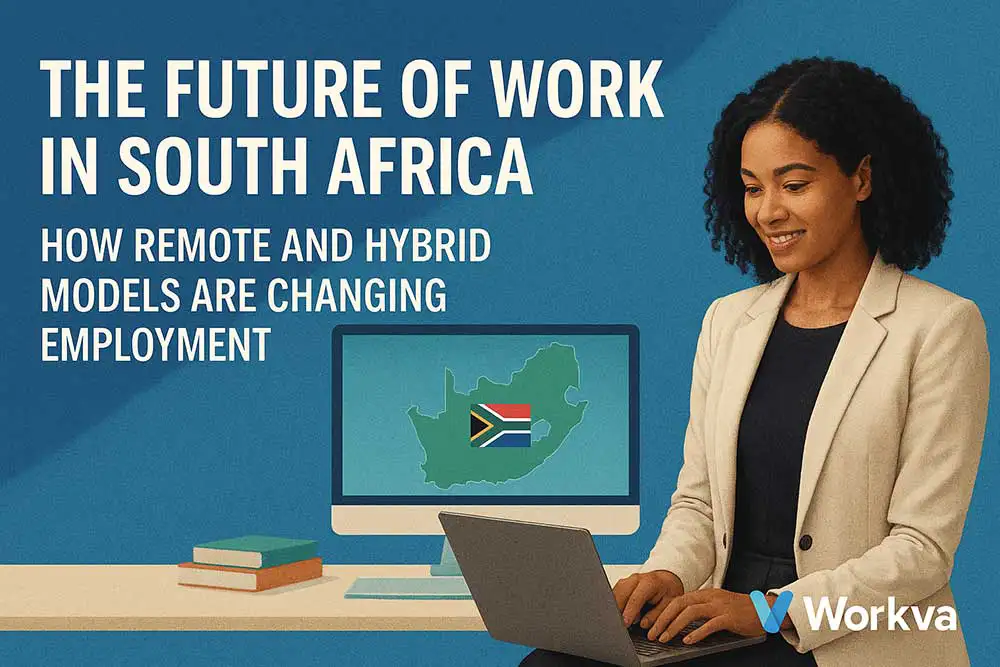
The global workforce is undergoing a transformation — and South Africa is no exception. The future of work in South Africa is being driven by remote and hybrid models that redefine how, where, and when people work. What started as a pandemic-driven necessity has evolved into a new standard for flexibility, productivity, and talent mobility.
Today, businesses across industries are rethinking their structures, and professionals are embracing remote jobs not just as a temporary fix, but as a lifestyle and strategic career move.
1. The Rise of Remote Work in South Africa
Over the past five years, South Africa has experienced a significant uptick in remote job opportunities. Advancements in connectivity, the rise of cloud tools, and a culture shift toward results-driven performance have enabled this trend.
According to Statista and PWC South Africa, more than 60 % of businesses now offer some form of flexible or remote arrangement. Even traditional sectors like finance, law, and education are integrating digital workflows to remain competitive.
Key industries adopting remote work:
- Digital marketing and web development
- Customer service and support centres
- Financial services and fintech
- Education and online tutoring
- Healthcare administration and telemedicine
2. The Hybrid Model: Balancing Flexibility and Structure
While full-remote setups attract freelancers and digital nomads, many organisations prefer a hybrid model — a balanced approach where employees split their time between home and office.
Hybrid work gives staff autonomy while maintaining collaboration, mentorship, and company culture. For employers, it reduces overheads without losing physical team synergy.
Common hybrid arrangements include:
- 3 days in office, 2 days remote
- Flexible scheduling with task-based goals
- Shared workspace models for freelancers and consultants
3. Technology: The Backbone of Modern Work
The success of remote and hybrid models depends on robust digital infrastructure. South African companies are rapidly adopting cloud collaboration, automation, and project-management tools to keep teams productive.
Popular tools empowering the new workforce:
- Communication: Slack, Microsoft Teams, Zoom
- Project Management: Trello, Asana, Monday.com
- Cloud Storage: Google Drive, Dropbox, OneDrive
- Time & Productivity: Clockify, Toggl, Notion
This digital transformation is not only improving productivity but also opening opportunities for rural and semi-urban professionals who previously lacked access to traditional urban jobs.
4. Benefits of the Remote Revolution
Remote and hybrid work models bring measurable advantages for both businesses and employees:
For Employees:
- Greater work-life balance
- Savings on commuting and living costs
- Broader access to international clients and jobs
- Ability to live in lower-cost regions while earning competitive pay
For Employers:
- Access to a wider talent pool
- Reduced overhead costs
- Improved employee retention and satisfaction
- Enhanced productivity through flexible scheduling
5. Challenges Facing South Africa’s Remote Workforce
Despite the positives, the transition to remote work comes with challenges unique to South Africa:
- Load-shedding: Unstable electricity disrupts work continuity.
- Connectivity gaps: Rural areas still lack reliable high-speed internet.
- Cybersecurity threats: More digital work means higher exposure to data breaches.
- Workplace isolation: Employees may feel disconnected without team interaction.
Addressing these challenges requires collaboration between government, telecom companies, and businesses to ensure equitable digital access.
6. Preparing for the Future of Work in South Africa
The workforce of tomorrow will demand digital fluency, adaptability, and lifelong learning. Employees should focus on upskilling in areas like:
- Cloud computing and digital marketing
- Data analytics and AI literacy
- Remote collaboration and project management
- Soft skills such as communication and self-discipline
Meanwhile, companies should invest in employee wellbeing, digital infrastructure, and inclusive hiring policies to remain competitive.
7. Workva’s Perspective
At Workva, we believe the future of work is not about location — it’s about capability, connection, and community. Whether you’re an individual exploring remote jobs or a business building a distributed team, embracing flexible models unlocks growth potential and sustainability.
Our mission is to connect professionals with opportunities that align with modern work culture while supporting businesses to adapt and thrive in the digital era.
Conclusion: The Future Is Flexible
The future of work in South Africa is here — digital, borderless, and opportunity-driven. As technology evolves and companies embrace flexibility, South Africans can expect a workforce that is more inclusive, agile, and globally connected than ever before.
Now is the time to invest in your digital skills, rethink how your business operates, and become part of a new era of productivity and empowerment.